

Martial Arts Growth
True growth in martial arts goes far beyond physical ability. While many people begin training for self-defense, the deeper journey is one of personal development—physically, mentally, and spiritually. Systems like wing chun and traditional kung fu were designed not only to teach someone how to fight, but how to refine character, discipline the mind, and cultivate inner balance. When practiced correctly, martial arts become a lifelong path of self-improvement where every drill, form, and training session strengthens both the body and the spirit.
Physical Development
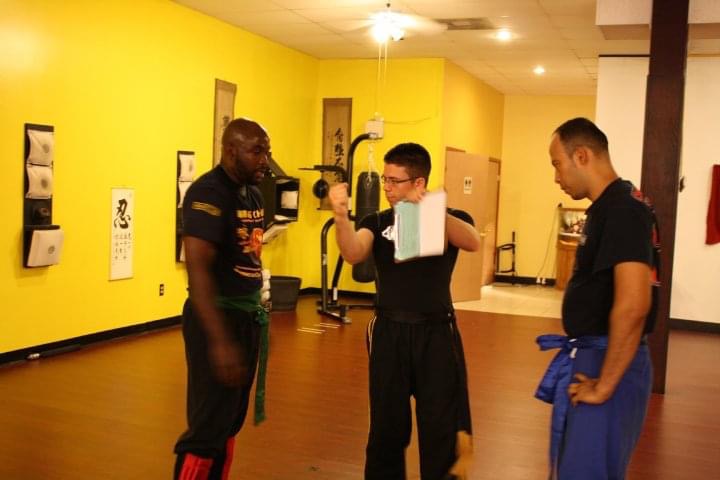 Physical development is the most visible aspect of martial arts training. Through consistent practice of wing chun techniques, stance work, forms, and partner drills, practitioners build structure, balance, timing, and efficiency. The body becomes stronger, faster, and more coordinated while learning practical self-defense skills that can be used in real-world situations. In kung fu, physical training also teaches economy of motion—using precision and correct structure rather than brute force. Over time, the practitioner learns that true power comes from relaxed efficiency and proper alignment, not tension or aggression.
Mental Growth
Mental growth is just as important as physical ability in wing chun and kung fu. Martial arts training demands focus, patience, and the ability to remain calm under pressure. Whether practicing forms, chi sao sensitivity drills, or controlled sparring, the student learns to think clearly while responding to unpredictable situations. This mental discipline translates directly into everyday life, helping practitioners develop sharper awareness, emotional control, and confidence. The same mindset that allows someone to apply self-defense effectively also helps them navigate stress, challenges, and conflict outside the training hall.
Spiritual Growth
Spiritual growth often emerges naturally from long-term dedication to martial arts. Traditional kung fu emphasizes humility, respect, and self-reflection. As students progress in wing chun, they begin to understand that martial arts are not about dominating others but about mastering oneself. The spiritual aspect of training teaches practitioners to quiet the ego, develop compassion, and approach life with balance. Through repetition, discipline, and respect for the lineage and teachings, martial arts become a form of moving meditation that strengthens both inner peace and personal integrity.
Another important element of spiritual and mental development in wing chun is the relationship between teacher and student. In traditional kung fu, guidance from a skilled instructor helps students move beyond simply learning techniques for self-defense. A good teacher encourages students to cultivate patience, perseverance, and humility while pushing them to improve. This mentorship helps shape not only better martial artists but better individuals, reinforcing the idea that martial arts training is a path of lifelong learning.
Ultimately, the true purpose of martial arts training is transformation. Through consistent practice of wing chun and traditional kung fu, practitioners strengthen the body, sharpen the mind, and cultivate the spirit. What begins as training for self-defense evolves into a deeper journey of self-mastery, discipline, and personal growth. When approached with dedication and humility, martial arts become far more than a system of combat—they become a philosophy for living with strength, clarity, and purpose.
Book Your 2 week Free Trial TODAY!
Click here to schedule Your Appointment or FILL OUT the form for more information.
